


How Frequently Do Most People in Webster, NY Need Haircuts?
For most area residents, haircuts are typically needed every 4 to 8 weeks, depending on hair type, personal style, and lifestyle preferences. People who keep their hair very short or want to maintain a precise shape usually go more often, while those growing out hair or wearing longer styles can wait a little longer.
In the Webster community, routines often follow the same season-driven patterns as other personal care: shorter cuts might be preferred in warmer, humid months, while some let hair grow longer during winter. Age, career, school schedules, and activity level also play a role in what's easiest and most comfortable for individuals or families.
Does Hair Type Or Style Change How Often You Should Get a Haircut?
Yes. The ideal time between trims varies by the natural pattern, texture, and desired style:
- Short haircuts (like fades, buzz cuts, or close crops) usually need upkeep every 2 to 4 weeks to stay neat and avoid awkward regrowth.
- Medium-length, layered, or bobbed styles can generally go 4 to 6 weeks before losing their shape or feeling heavy.
- Long hair, especially if worn naturally, often maintains its appearance for 8 weeks or longer, as long as split ends aren’t an issue.
- Curly or textured hair tends to show less obvious regrowth between cuts but can get dry or frizzy at the tips, calling for a trim about every 8 to 12 weeks.
For anyone in the community with unique patterns—such as thick, slow-growing, or fast-growing hair—personal experience might be the best guide. Pay attention to signs like difficulty styling, ends feeling rough, or loss of desired shape as an indicator that it’s time for a visit.
How Do the Seasons Affect Haircut Timing in Webster, NY?
Webster’s clear seasonal shifts often influence when area residents choose to get haircuts:
- In the humid summer months, some locals opt for lighter, shorter cuts to stay cool and make hair more manageable.
- In the winter, people may let hair grow out for a bit of extra warmth or to avoid scalp exposure in the cold and wind.
- Before major holidays or the start of the school year, local households often schedule trims for tidy appearances in family gatherings or photos.
Allergies, increased outdoor activity, hats, and helmet use can also impact how regularly a style keeps its shape and how often split ends develop, affecting haircut timing.
Can Waiting Too Long Between Haircuts Cause Problems?
Yes—letting too much time pass between haircuts can lead to several common issues:
- Split ends and breakage may travel up the hair shaft, leading to dullness and more noticeable damage.
- For those with short or precision cuts, the shape quickly softens and can look unkempt.
- Local humidity and temperature can accelerate frizz, heaviness, or discomfort if hair is overdue for a trim.
For children and teens, quick growth spurts mean hair can go from “fine” to “shaggy” almost overnight, so adults caring for younger kids often adjust the timing based on what’s manageable for brushing, tying back, or keeping scalp healthy as seasons change.
What Are Some Signs It’s Time for a Trim?
Several indicators suggest it’s time for a haircut or at least a minor trim:
- Ends feel brittle, rough, or frizzy, even after conditioning
- Hair is difficult to style or feels heavy and loses its intended shape
- Bangs interfere with vision, or layers blend together with little distinction
- Cowlicks or growth patterns become harder to manage than usual
- Noticeable split ends or unevenness appear
Trusting how hair looks and feels is often as reliable as counting weeks. Anyone growing hair longer can ask to have only the ends cleaned up, avoiding losing hard-won length.
Do Haircuts Need to Be Scheduled More Frequently for Children and Teens?
Generally, yes. Kids and teenagers in the community—especially those active in school, sports, or extracurricular activities—often need trims every 4 to 6 weeks. Their hair grows quickly, and shorter styles can lose shape fast. For those with longer hair, paying attention to tangling and split ends is helpful.
Adults or caregivers in Webster usually tailor these intervals around school calendars, sports seasons, family photo days, and comfort during humid months or cold winds.
Are There Common Misconceptions in the Community About Haircut Frequency?
A few beliefs sometimes lead people to go too long—or come in sooner than necessary:
- Hair does not actually grow back thicker or faster if cut more often, though it feels healthier because of the fresh, blunt ends.
- Long hair does not have to be frequently trimmed to grow—removing only damaged ends every 8 to 12 weeks is enough to encourage healthy length.
- Precision or close-cropped styles (buzzes, undercuts, or skin fades) will look very different just a week or two after a cut, but that’s normal rather than a sign of a problem.
People in the area frequently adjust their routines as their needs, style, or comfort priorities change.
What’s the Best Way to Set a Haircut Routine in Webster?
Rather than focusing strictly on calendar dates, consider these easy local strategies:
- Base the timing partly on seasonal changes, activity levels, and any major upcoming events on the calendar.
- Listen to feedback from children or other household members about styles being uncomfortable, hot, or hard to manage.
- Keep a simple note or reminder to check ends or style every month or so and assess if a trim is worth scheduling soon.
- Trust personal intuition—if hair starts causing minor annoyances, chances are it’s time for a refresh.
By paying attention to individual needs and the way local climate or lifestyle factors impact hair appearance and manageability, residents can easily find a comfortable routine that supports both appearance and hair health.
About the Author
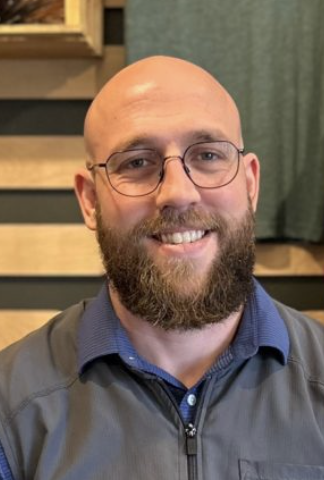
Brett Bishopp
Brett Bishopp began barbering in 2021 and has been passionate about the craft ever since. Known for his precision, he won’t let clients leave until every detail is right. He specializes in straight-razor shaves and offers Hairskeen systems, proudly wearing one himself to inspire confidence and style. Brett is also a Certified Hairskeen System Technician, ensuring clients receive expert service backed by professional training.