


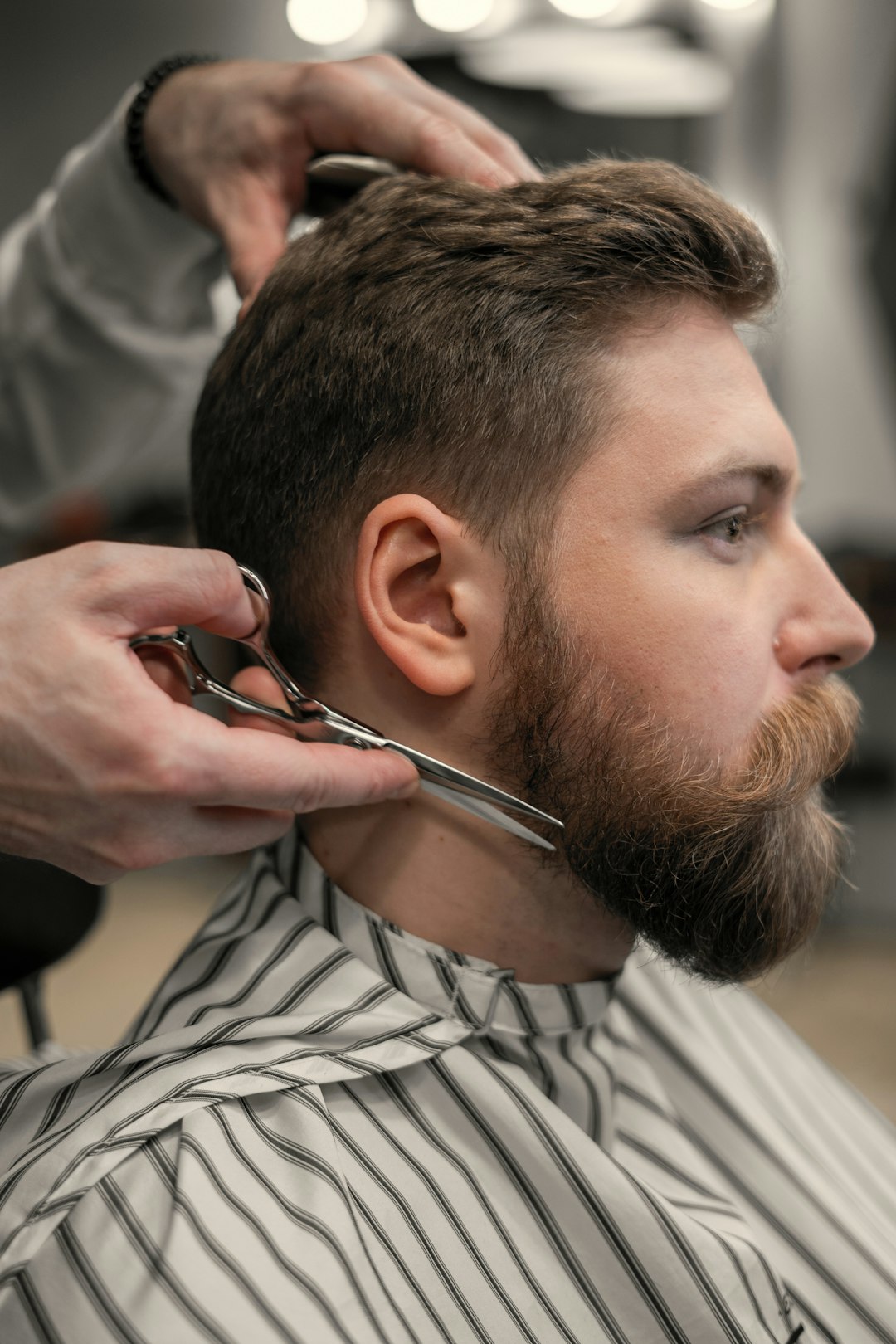
Why Do DIY Haircuts Go Wrong So Often?
Cutting your own hair can be appealing for many local residents, especially with Webster’s diverse seasons and the convenience of staying at home. But many people soon realize home haircutting is trickier than it looks. The most common mistakes come from inexperience with tools, misunderstanding hair growth patterns, and not preparing the right setup. A bit of awareness—and realistic expectations—can keep at-home trims from turning into stressful situations.
Are Household Scissors Good Enough for Haircuts?
Using the wrong scissors is a widespread issue for local families. Kitchen shears, craft scissors, and other household tools are not designed to cut hair cleanly. This can result in blunt ends, split hairs, or an uneven overall appearance. Hair-cutting scissors are sharper, thinner, and shaped to slide through strands without crushing or fraying them. Using non-specialized scissors dramatically increases the risk of rough cuts, visible notches, or additional split ends over time.
How Does Lighting Affect Home Haircuts?
Dim or uneven lighting is an often-overlooked mistake. Poor lighting makes it difficult to see uneven lengths, stray hairs, or the natural fall of hair layers. This is especially noticeable in the winter months, when natural sunlight in local homes is limited. Before trimming, ensure the area is well-lit from multiple angles—either with daylight near a window or by adding extra lamps in the room. Shadows can easily hide uneven patches, leading to an unintentional choppy look.
What Goes Wrong When Rushing the Process?
Attempting to cut hair quickly—especially before a big event or during a busy week—frequently leads to hasty mistakes. Hair should be washed, dried, detangled, and sectioned carefully before starting. Skipping preparation or ignoring how hair settles in local humidity can lead to crooked lines and uneven layering. Taking your time between snips lets you reevaluate length and blend cuts for a more natural finish.
Misunderstanding Hair Types and Growth Patterns
Each person’s hair has unique patterns—such as cowlicks, whorls, or unusual part lines—which can be more pronounced with the city’s seasonal humidity or dry indoor heating. Cutting against the natural direction of hair growth can create awkward sticking-up sections or unexpected gaps. Before starting, check hair’s direction by dampening it and combing it into place, making notes about sections that lay differently. Avoid fighting strong swirls or cowlicks, as cutting these too short often magnifies their appearance.
How Much Hair Should You Cut at Once?
The urge to make large, bold cuts is common but risky. Removing too much hair in a single snip almost always results in excessive length loss, especially if you’re nervous or using dull scissors. The safest approach is cutting a small amount first—no more than a quarter inch at a time—and reassessing. Hair bounces up when it dries or curls, which is especially true for children and teens in area households where wavy hair is common. Taking off a little at a time helps avoid dramatic mistakes that are hard to correct.
What About Cutting Hair When It’s Wet vs. Dry?
Wet haircuts are easier for making clean lines, but wet hair also stretches. Cutting a straight line on wet hair can lead to an uneven look after drying, since the length will shrink—sometimes dramatically, especially in curly or thick hair. Cutting hair dry avoids these surprises, but can be more challenging because the strands move more. For beginner home haircuts, slightly damp (not dripping wet) hair is often easiest to manage, but always check the final length once the hair is fully dried.
Common Mistakes with Clippers and Trimmers
Clipper cuts can seem straightforward, but guard length settings, blade angles, and blending technique all matter. Typical errors include:

- Using the wrong guard size, leading to shaved patches
- Not blending between different guard lengths, making lines and steps visible
- Pressing too hard on the scalp, causing unevenness or skin irritation
- Ignoring the direction of hair growth, which may change in different areas of the head
Always move clippers gently in the direction the hair grows and check progress regularly in a mirror. Cleaning clippers before and after use is also important for safe operation and hygiene.
Can You Fix an Uneven Home Haircut?
Mistakes happen, but overcorrecting by taking off even more hair often makes things worse. If one side is shorter than the other, try to blend rather than match exactly. Sometimes, wearing hair slightly differently or giving it a week to grow out softens the look. Avoid the urge to keep evening things up, as this commonly leads to much shorter hair than intended. For small uneven patches, adjusting styling can help disguise imperfections until the next trim.
What Else Should Webster Residents Keep in Mind?
Local humidity, seasonal hat use, and changes in indoor air from heating or cooling all impact hair behavior. Static, flattening, or unusual waves may appear at different times of year, affecting how cuts settle after washing and drying. Taking a photo before starting a cut can help track progress. Mirrors that show all sides of the head, such as a three-way setup, are especially useful. And if allergies or sensitivities are common in the household, clean tools and avoid products with strong fragrances after trimming.