


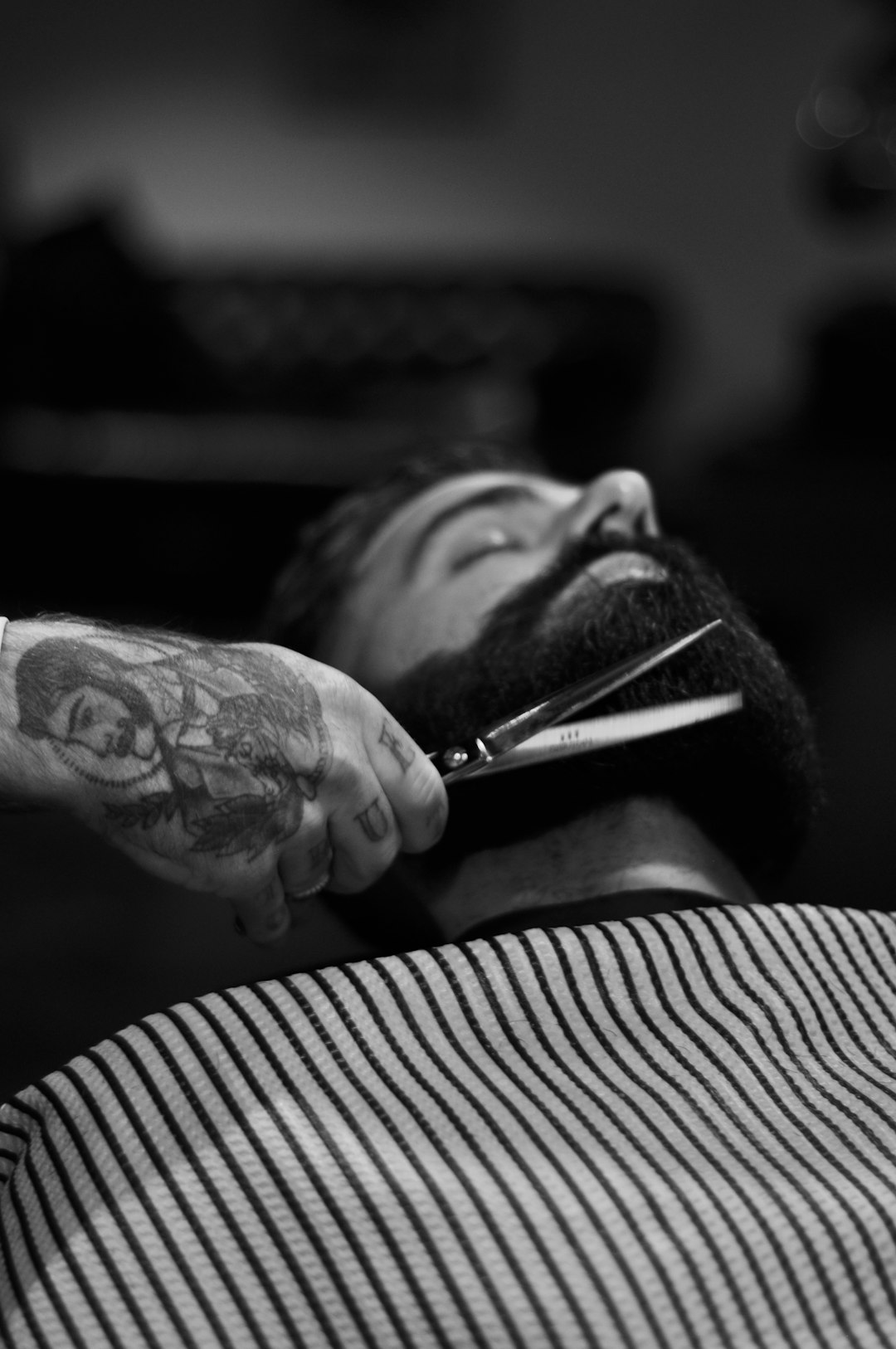
What Are the Most Common Beard Styles and Their Basic Features?
Popular beard styles each have unique shapes, maintenance needs, and visual effects. Some of the most recognized options include the full beard, goatee, stubble, and the mustache-beard combination.
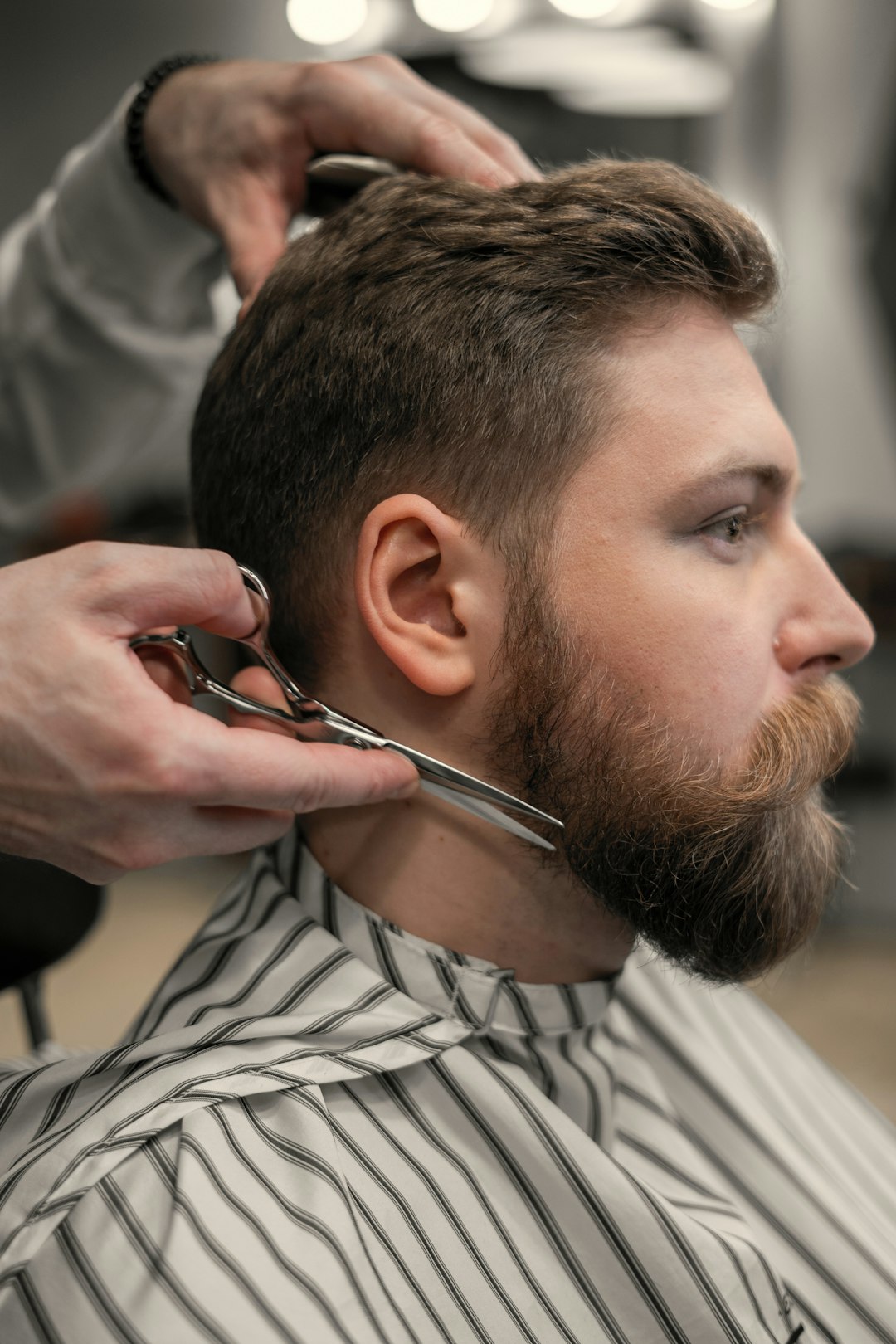
- The full beard typically covers the cheeks, chin, and jaw, requiring robust growth.
- Stubble ranges from a light, short covering to more deliberate “designer stubble.”
- The goatee isolates hair to the chin and sometimes the mustache, omitting sideburns and cheeks.
- Mustache-beard combos, like the “Van Dyke,” pair facial hair on the chin with a distinct mustache.
Area residents often favor styles according to personal comfort, workplace norms, and seasonal climate. For example, a fuller beard can be practical during the cold seasons in Webster.
What Are the Pros and Cons of a Full Beard?
A full beard offers both warmth and coverage, which many in Webster find useful during the winter months. However, it isn’t ideal for everyone.
Pros:
- Provides added warmth on cold, windy days
- Can conceal chin and jawline imperfections
- Suits a variety of face shapes if trimmed well
Cons:
- Requires regular cleaning and conditioning
- May aggravate skin under the beard if not looked after, especially in humid summer spells
- Can feel hot or itchy, particularly indoors with central heating
Misconception: Some believe a full beard is “set-and-forget,” but heated interiors and dry air can cause irritation or dandruff if ignored.
Is Stubble Really as Low-Maintenance as It Seems?
Short stubble is often seen as easy to achieve, but it still requires upkeep to avoid looking unkempt.
Direct answer: While stubble takes less time to grow out, it still benefits from regular outlining and neat trimming.
- Stubble tends to suit a range of face shapes and is less likely to cause discomfort during humid, warm months in the city.
- Left untended, stubble can appear patchy or uneven, especially if there are natural blanks in beard growth.
- Razor burn and ingrown hairs can become common, particularly for those with sensitive skin.
Tip: Using a gentle exfoliator can help maintain skin health underneath stubble for local residents adapting to seasonal changes.
Who Is Best Suited to a Goatee or Chinstrap Style?
Goatee and chinstrap styles can emphasize or minimize facial features, making them popular for residents who want a slimmer face appearance.
Summary: Goatees and chinstraps direct attention to the chin while leaving the cheeks clean.
Advantages:
- Useful for those who have uneven cheek growth
- Works well for individuals with round or square face shapes aiming for definition
- Less beard area to clean and condition
Drawbacks:

- Needs careful, frequent shaping to look intentional
- Thin lines or small goatees can quickly appear grown out if not trimmed almost daily
- May highlight, rather than disguise, a weaker chin if the style isn’t right for the individual
Misconception: Goatees are not always “easier”—they often demand more shaping than broader, fuller beards.
Are Mustache-Heavy Styles Practical in Daily Life?
Mustache-focused styles—from classic handlebar to modern “chevron” shapes—are favorites for those looking to stand out or who do not want much hair elsewhere on their face. Practicality overview: These styles are space-saving, but wax or trimming is often necessary.
- Mustaches catch food and drink more, especially with thick styles or when dining out at community events
- Requires consistent shaping to keep the look tidy and comfortable
- Cold, dry air can make mustaches feel brittle without occasional conditioning
Locally, mustache styles might be favored in professional settings where beards are not permitted or during the warmer months when comfort is a concern.
How Does Climate and Season Affect Beard Style Decisions in the City?
Weather plays a significant role in what styles feel comfortable and stay manageable throughout the year. Quick recommendation: Fuller beard styles may be more comfortable during fall and winter due to increased insulation on the jaw and cheeks. During high humidity or hot months, shorter options like stubble or partial beards may offer less itch and sweat. Area households often notice longer beards can dry out in cold winds, so using simple beard oil or moisturizer can help reduce itching. Conversely, hot summers may make maintenance for long beards more labor-intensive, while stubble allows for more airflow and less discomfort.
What Are Common Misconceptions or Overlooked Factors About Beard Maintenance?
Many believe that once a beard has grown out, little daily attention is required. In reality, consistent grooming is essential for any style. Answered directly: Every beard style, even the shortest, needs some brushing, cleaning, and shaping to remain healthy and attractive.
- Longer styles can develop split ends or collect debris—especially for those spending time outdoors in the local parks
- All styles benefit from regular washing to prevent irritation and acne on the underlying skin
- Incorrect trimming or sizing can alter facial proportions in ways that may not suit every individual
Thoughtful style selection and realistic upkeep expectations lead to more confidence and comfort for area residents.