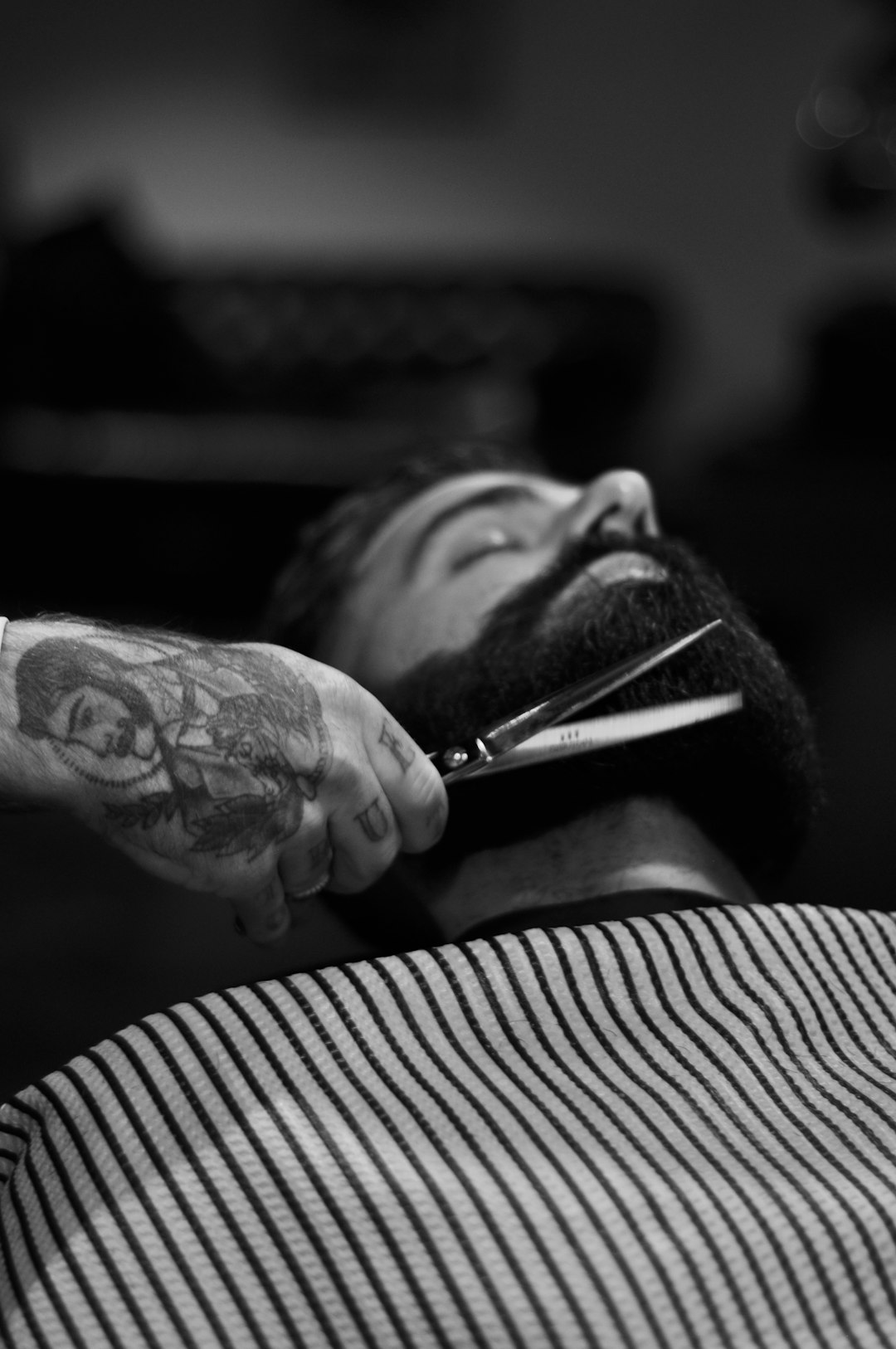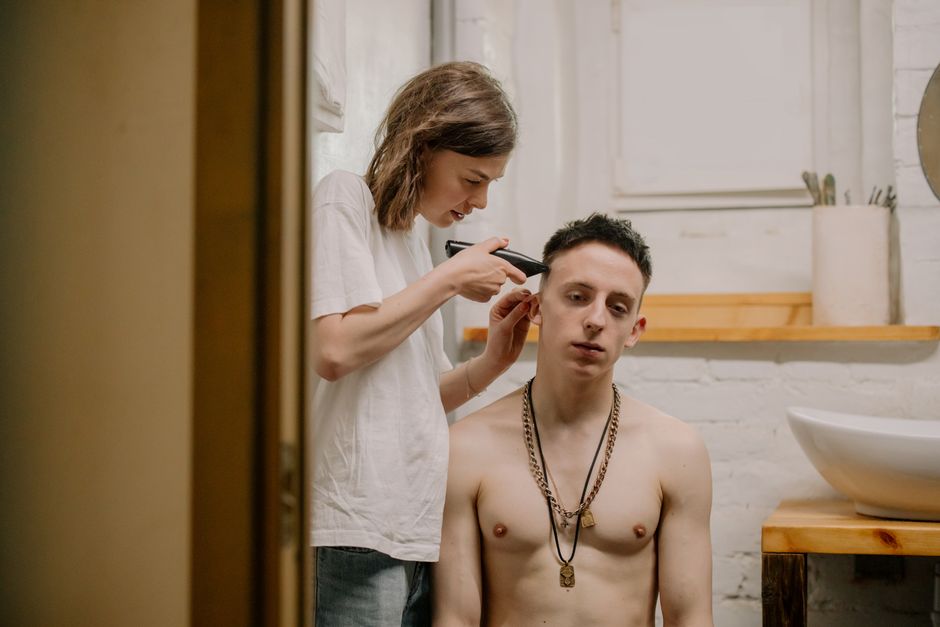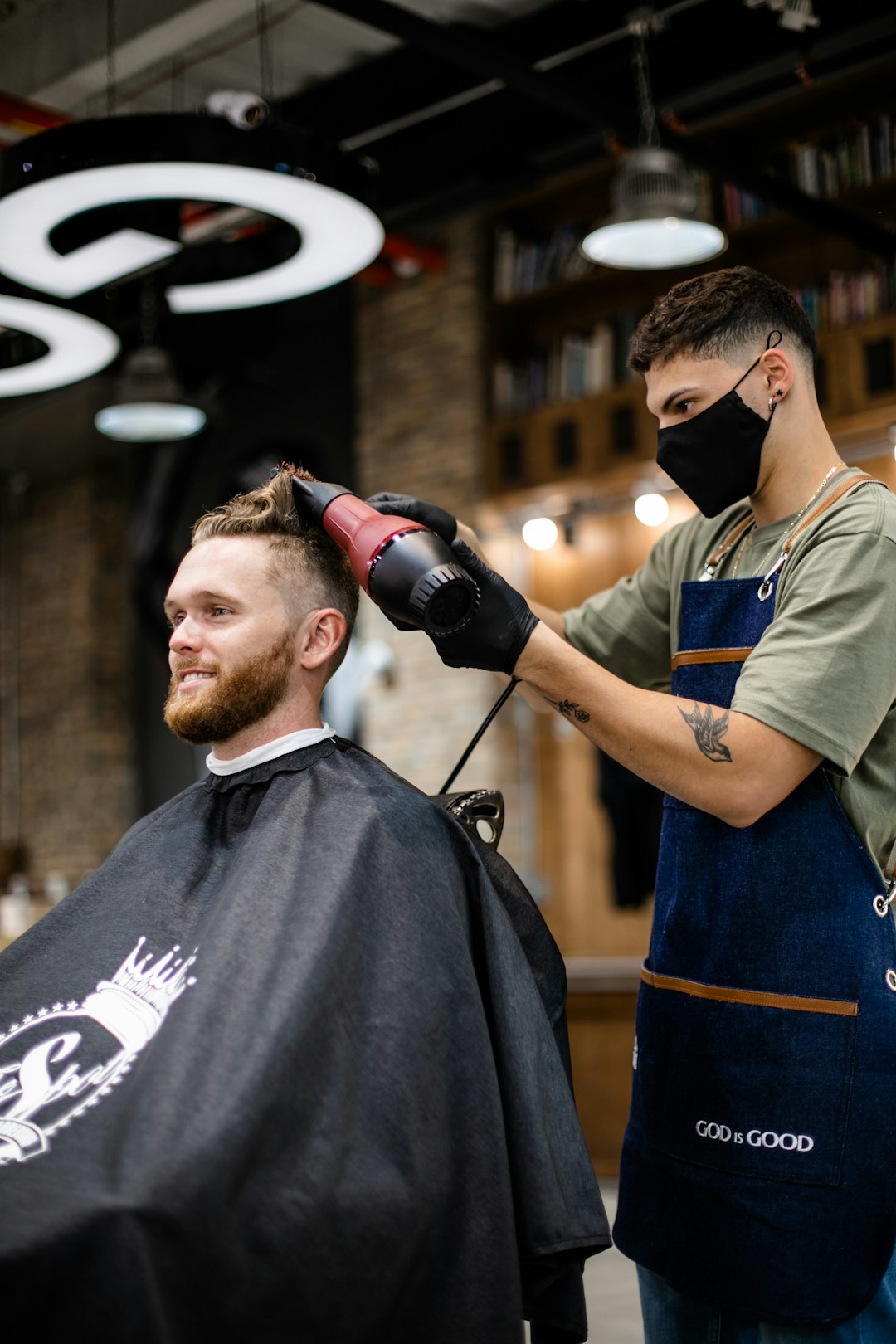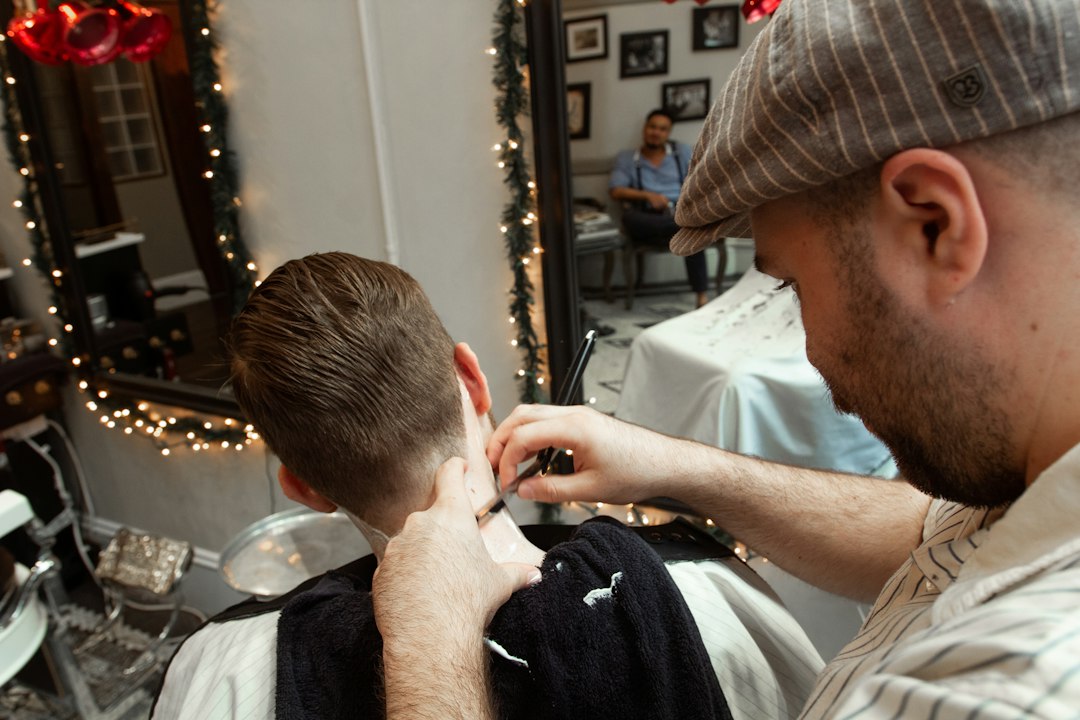


Why Does Clear Communication at the Barber Matter?
Sharing exactly what you want with your barber helps ensure you leave with a haircut that fits your vision and daily life. Misunderstandings can easily happen, especially since haircutting involves various techniques, lengths, and styles. In Webster, NY, where climate and local routines may influence your hairstyle needs, being clear is even more essential.
What Information Should You Share Before Your Cut?
Before picking up the clippers or shears, a barber benefits from learning about your preferences, lifestyle, and hair habits. Here’s what to cover:
- Mention the last time you had your haircut and what you did or didn’t like about your previous cut.
- Let your barber know if you prefer a style that requires little upkeep or if you’re fine with regular styling.
- Share any hair care routines, like how often you shampoo, whether you use product, or if you typically air dry or blow dry.
- Give details about challenges—cowlicks, tricky growth patterns, or sensitive scalp—so your barber can adapt accordingly.
Residents with active lifestyles, those working outdoors in cold Webster winters, or children with school dress codes may require specific guidance. Opening up about these factors helps your barber recommend or tailor a cut that’s practical.
How Can Photos Help Express What You Want?
Bringing photos is highly effective for communicating style inspiration. It removes guesswork about vague descriptors like “short on the sides” or “just a trim.” Here’s how to make the most of photos:
- Select images with hair types and face shapes similar to yours for more realistic results.
- Bring two or three examples to highlight the main elements you like—such as length, texture, or styling.
- Be ready to explain what attracts you to each photo (e.g. “I like how neat the neckline is here” or “I want this amount of volume on top”).
Sometimes styles in magazines or online don’t match your hair’s natural thickness or growth, especially with Webster’s seasonal humidity or dry spells. Photos still help your barber interpret your vision and offer practical adjustments.
What Should You Say About Hair Length?
Hair length is the most common area for confusion. Rather than saying “just a little off,” be as specific as possible:
- Indicate with your fingers exactly how much you want removed.
- Reference visible markers, such as “above the ears,” “covering the eyebrows,” or “at the collar.”
- If you know clipper guard numbers, mention them—otherwise, ask the barber to show you the difference before cutting.
For kids or anyone with curly or textured hair, stating preferred length both wet and dry is helpful. Webster households often deal with seasonal changes in hair volume, so letting the barber know if you’re anticipating “hat hair” in winter, or want something off-the-neck for summer, adds valuable context.
Are There Common Terms and What Do They Mean?
Barbers use industry terms for different techniques and finishes. Knowing the meaning of a few common requests helps make your intentions clearer:
- Taper: Hair gradually shortens from the top down the neck and sides.
- Fade: A type of taper where the hair seamlessly blends from longer to shorter, often down to the skin at the edges.
- Texturize/Layer: Adds movement or removes bulk so hair looks lighter and less uniform.
- Blunt cut: Hair is cut straight across for a sharper edge.
- Trim: Often interpreted differently; clarify exactly how much you want removed.
Feel free to ask your barber for definitions—local professionals in the city are used to clarifying these terms for residents of all ages.

How Do You Communicate During the Haircut?
Even after discussing your goals, questions might arise mid-cut. Good communication doesn’t stop once scissors start:
- Don’t hesitate to ask for a mirror or to pause so you can review progress, especially when trying a new style.
- If the length looks off, or if something feels uncomfortable, politely mention it right away—it’s much easier to address concerns during the process.
- Share reactions honestly, but also give the barber time to shape and blend before judging if the result looks uneven or unfinished.
The collaborative approach helps build trust and can prevent misunderstandings, especially for those new to local barbers or adjusting to different hair needs due to Webster’s climate.
What About Special Occasions or Unique Challenges?
Certain events—like school photos, weddings, sports seasons, or job interviews—may call for a specific look. Residents often request practical advice on long-lasting styles, frizz control in humid seasons, or protective cuts that withstand winter hats. When discussing special cuts:
- State the event date and explain what you hope to achieve with your look.
- Mention if you’ll be styling your hair in a particular way (with gel, slicked back, curled, or left natural).
- Ask about products or minor touch-ups so your haircut looks fresh when you need it most.
Why Are Follow-Up Questions Useful?
Your haircut doesn’t end in the barber’s chair. Understanding how to maintain the look at home is important for a style that remains manageable between visits. Before leaving:
- Ask how long the cut will last before its shape changes noticeably.
- Find out which styling tools or products (if any) will help achieve the same look.
- Request tips for self-trimming edges or maintaining bangs, especially helpful during vacations or busy family weeks in Webster.
Open dialogue strengthens your relationship with your local barber and helps make every appointment as successful as possible for both routine and milestone visits.