


What Actually Affects Beard Fullness?
Genetics, hormones, and lifestyle have the greatest influence on how full a beard can grow. Some people in Webster, NY will naturally have an easier time developing thick facial hair than others. However, understanding what is and isn’t controllable helps set reasonable expectations and strategies for anyone interested in a fuller beard.
Common factors impacting beard growth:
- Family genetics—if most men in a family have patchy beards, that can be inherited
- Age—many people develop fuller facial hair in their late 20s or even 30s
- Testosterone levels, which affect hair growth patterns
- Skin health and overall physical well-being
Misconceptions persist that shaving frequently will make hair grow back thicker or faster. Scientific studies show this is not true; hair regrowth rate and texture are determined by follicles below the skin, not shaving frequency.
How Can Local Residents Support Better Beard Growth?
Focusing on healthy routines can maximize each person’s genetic potential for fullness, especially in a climate like the one found in Webster. Cold winters and dry indoor air mean skin and hair may need some extra care.
Key steps include:
- Maintain a balanced diet with plenty of protein, healthy fats, and vitamins (especially B vitamins and zinc)
- Sleep enough for proper hormone regulation and tissue repair
- Stay hydrated, especially in winter when dehydration risk is higher indoors
- Use gentle cleansers to keep skin and hair clear of buildup without excessive dryness
Webster’s freezing winters can lead to dry, flaky skin beneath facial hair. Moisturizing with light, non-comedogenic oils (like jojoba or argan oil) after washing helps the beard stay healthy and can, over time, make it appear fuller.
Are There Natural Methods to Encourage Beard Growth?
While no home remedy will override genetics, certain approaches can improve beard appearance and density over several months of consistent care.
- Regular brushing with a boar bristle brush can distribute natural skin oils and exfoliate the skin beneath, helping minimize flaky patches
- Occasional gentle exfoliation—using a mild scrub about once per week—can prevent clogged follicles and stimulate circulation
- Managing local seasonal stressors (like irritation from scarves or face coverings in the winter) reduces breakage and persistent patchiness
Be patient. Sometimes beard hair grows in unevenly or slowly, especially during the first few months. Avoid the temptation to trim aggressively in hopes of faster fullness.
Are Beard Supplements or Growth Products Worthwhile?
Supplements and topical solutions are widely marketed, but evidence for their effectiveness is limited. For otherwise healthy adults, a nutrient-rich diet meets most physiological needs for hair growth. Over-the-counter products like biotin or “beard growth oils” often show mixed results and rarely change beard density meaningfully for most residents in the city.
Exceptions:
- If a doctor diagnoses a diagnosed deficiency (such as iron or vitamin D), supplementing may be helpful for overall hair health
- Prescription medications sometimes support facial hair in specific medical conditions, but these are rarely indicated for the general population
Be wary of bold claims and expensive products promising dramatic improvements. Most can’t deliver fuller beards beyond what consistent grooming and overall health will achieve naturally.

What About Professional Treatments or Procedures?
Some therapies, like micro-needling or prescription topical solutions, exist for more stubborn cases of patchy beards. Micro-needling involves tiny needles pricking the skin to possibly stimulate hair follicles; results are modest and generally involve some risk of irritation. Medical treatments such as minoxidil (commonly used for scalp hair) are sometimes tried, but not officially approved or consistently effective for facial hair. Due to the sensitive skin on the face—especially with the kind of cold, windy weather Webster experiences each winter—residents should consider side effects or the need for long-term use before pursuing such options.
How Long Does It Take to Grow a Full Beard Locally?
Patience is necessary. The average beard grows about half an inch per month. In Webster, many men notice their beards filling in more noticeably after three months of undisturbed growth. It’s common for some areas—like the cheeks—to seem sparser than the chin or mustache for several months before evenness improves. Beards may require more upkeep during transition periods, such as late autumn and spring, when humidity and indoor heating fluctuate. Gentle conditioning and being realistic about temporary patchiness helps area residents get through early “awkward” phases.
What Common Mistakes Do People Make While Growing a Beard?
People often:
- Trim too early or too frequently, preventing weaker areas from catching up
- Use harsh cleansers or overwash, causing dryness and brittleness
- Ignore skin health, leading to itchiness and flakes that can make beards look thinner
Instead, let the beard grow undisturbed for at least six to eight weeks before shaping. During growth, keeping the skin underneath healthy and moisturized is as important as caring for the hair itself.
Can Grooming Influence How Full a Beard Looks?
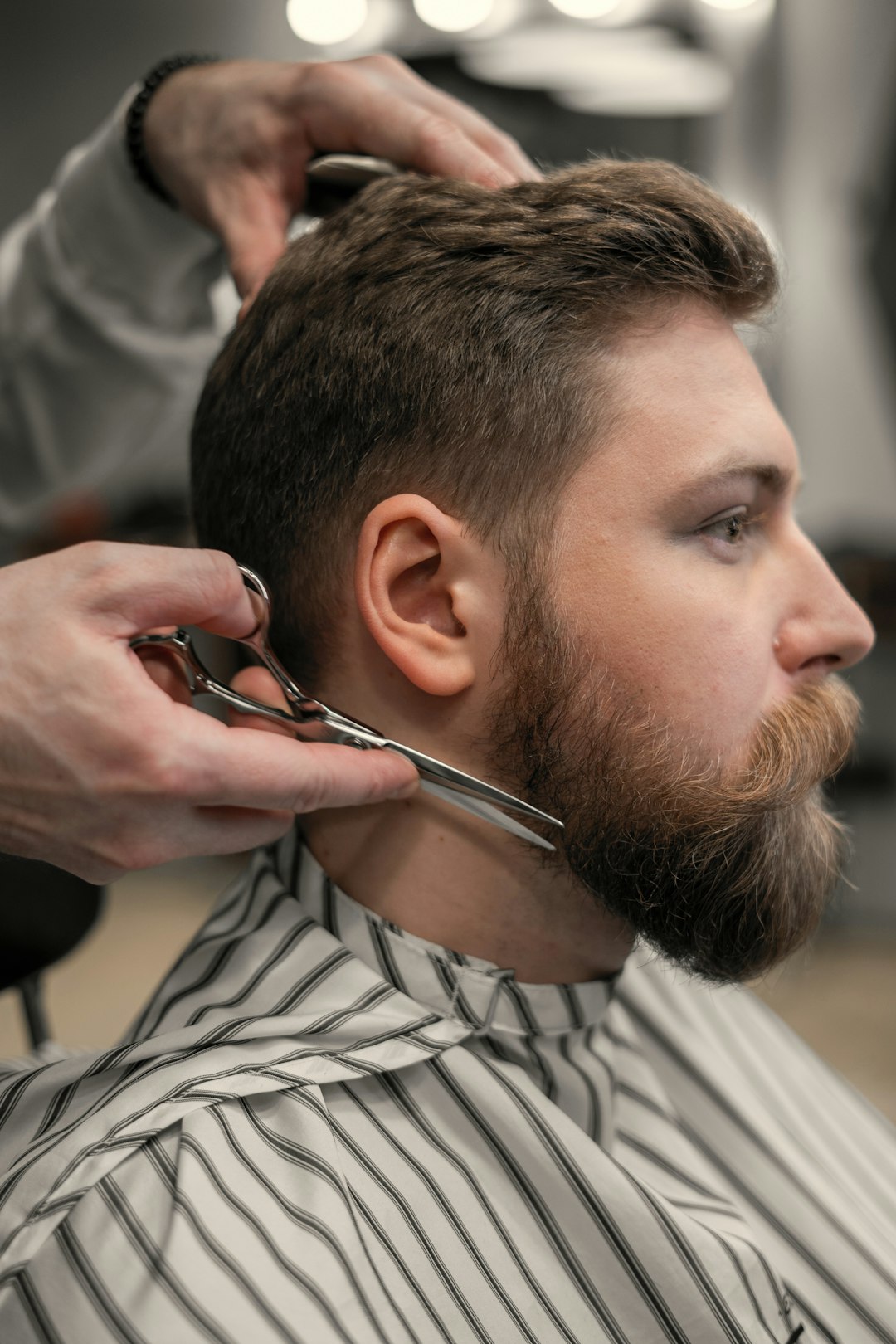
Strategic grooming dramatically improves the appearance of fullness. While no comb or style can “grow” new hairs, simple steps can help beards appear thicker:
- Trim edges and neckline to create definition once the beard reaches two or three months’ growth
- Use a boar bristle brush or wide-tooth comb to guide hairs in the same direction and reveal natural volume
- Occasionally soften coarse textures with a lightweight conditioner or beard balm—especially in dry winter months
In Webster, with frequent seasonal shifts, some residents find their beard looks best when they adjust routines with changes in humidity and temperature.